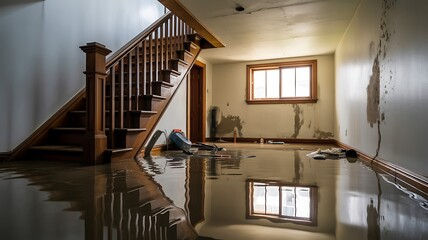
A burst pipe, leaking appliance, or unexpected flood can leave homeowners worried about more than just the damage to their property. One of the first questions that often comes to mind is how much it will cost to restore everything back to normal. Since every water damage situation is different, the final price can vary depending on several important factors. Understanding what affects water damage restoration cost can help homeowners prepare financially and make informed decisions when faced with an emergency.
Water damage restoration is an investment in protecting your home and preventing additional problems from developing over time. Delaying restoration can allow water to penetrate deeper into building materials, increasing both the extent of damage and overall repair costs. By learning what influences restoration pricing and why prompt action matters, homeowners can better understand the value of addressing water damage as soon as possible. Contact All Pro Services for more information.
What Is Included in Water Damage Restoration Cost?
Water damage restoration cost includes much more than simply removing standing water. A complete restoration project often begins with an inspection to identify the source of the water and determine the extent of the damage. Once the affected areas have been evaluated, water extraction, drying, moisture monitoring, cleaning, sanitizing, and repairs may all become part of the restoration process. Each of these steps requires time, specialized equipment, and skilled labor to ensure the property is restored properly. The combination of these services contributes to the total cost of the project.
The overall price also depends on how much of the property has been affected. A small leak that impacts only one section of a room will generally require less work than extensive flooding that spreads throughout multiple areas of the home. The longer water remains inside the property, the more materials may need attention during restoration. Understanding everything involved helps homeowners see why restoration costs vary from one project to another. Every situation is unique and requires an individual assessment.
Factors That Affect Water Damage Restoration Cost
One of the biggest factors influencing water damage restoration cost is the amount of water that has entered the property. Larger volumes of water usually require additional extraction, longer drying times, and more extensive restoration efforts. The type of materials affected also plays an important role because carpeting, hardwood flooring, drywall, insulation, and cabinets all respond differently to water exposure. Some materials can be restored successfully, while others may require replacement if the damage is severe. The overall scope of the project has a direct impact on the final cost.
The source of the water can also influence restoration requirements. Clean water from a broken supply line may require a different level of cleaning than water containing contaminants. The length of time water remains inside the property is another important consideration because prolonged exposure increases the likelihood of structural damage and additional repairs. Accessibility may also affect pricing if water reaches difficult areas such as crawl spaces, ceilings, or wall cavities. Each of these factors contributes to the complexity and overall expense of the restoration process.
Why Quick Action Can Reduce Restoration Costs
Responding quickly after discovering water damage is one of the best ways to control restoration costs. Water spreads rapidly through porous materials, soaking into drywall, flooring, insulation, and furniture within a short period. The sooner excess water is removed, the greater the chance of saving these materials before permanent damage occurs. Immediate action often reduces the amount of demolition and reconstruction required later. This can lead to lower overall restoration expenses while preserving more of the home’s original features.
Prompt restoration also helps prevent additional issues from developing after the initial water intrusion. Moisture trapped behind walls or beneath flooring can continue causing damage long after visible water has disappeared. Early drying and moisture removal help protect structural materials and reduce the likelihood of more extensive repairs. Taking action as soon as possible is not only beneficial for the property but may also help homeowners avoid higher restoration costs in the future. Speed plays a significant role in limiting both damage and expense.
Is Water Damage Restoration Worth the Investment?
Although restoration costs can vary, many homeowners find that investing in professional water damage restoration is worthwhile. Proper restoration addresses both visible damage and hidden moisture that could lead to future problems if left untreated. Thorough drying, cleaning, and repairs help restore the property while preserving its long term condition. Attempting to address only the visible damage may leave moisture behind, resulting in additional repairs later. A complete restoration provides greater confidence that the property has been properly restored.
Water damage restoration also helps protect the value of a home. Damaged flooring, stained walls, warped cabinets, and weakened structural materials can reduce both comfort and property value if repairs are delayed. Investing in restoration helps maintain the home’s appearance while preventing minor problems from becoming much larger issues. For many homeowners, the long term benefits outweigh the initial expense. Restoring the property properly helps preserve both its beauty and functionality.
How Homeowners Can Prepare for Restoration Costs
Planning ahead can make unexpected restoration expenses easier to manage. Homeowners should become familiar with their insurance coverage and understand what types of water damage may be included in their policy. Knowing the details of coverage before an emergency occurs can reduce uncertainty during the restoration process. Keeping maintenance records and documenting the condition of the home may also be helpful if water damage occurs in the future. Preparation allows homeowners to respond more confidently when unexpected situations arise.
Regular home maintenance can also reduce the likelihood of costly restoration projects. Inspecting plumbing systems, replacing worn hoses, maintaining appliances, and checking the roof for leaks are all simple steps that help prevent water intrusion. Addressing small maintenance issues early often costs much less than repairing extensive water damage later. Preventive care protects both the home and the homeowner’s budget. Staying proactive is one of the most effective ways to reduce future restoration expenses.
Tips for Getting the Best Value
When considering water damage restoration, focusing on quality rather than simply choosing the lowest price often leads to better long term results. A thorough restoration process ensures that hidden moisture is properly addressed instead of only treating the visible damage. High quality workmanship can reduce the risk of recurring problems and additional repairs in the future. Choosing experienced restoration professionals and using proper drying methods helps protect the home’s structure and appearance. Lasting results often provide greater value than short term savings.
Homeowners should also ask questions about the restoration process so they understand what services are included in the estimate. Clear communication helps set realistic expectations while avoiding unexpected surprises. Comparing the scope of work instead of price alone allows homeowners to make better informed decisions. Investing in a complete restoration provides peace of mind and helps ensure the property is restored as safely and effectively as possible. A well planned restoration project protects both the home and the investment made in it.
Final Thoughts
Water damage restoration cost depends on several factors, including the extent of the damage, the amount of water involved, the affected materials, and the work required to restore the property. While every project is different, acting quickly can often reduce both damage and overall restoration expenses. A complete restoration involves inspection, water removal, drying, cleaning, and repairs that help return the property to a safe and functional condition. Understanding what influences restoration costs allows homeowners to prepare for unexpected situations and make informed decisions. Investing in timely water damage restoration not only protects the home but also helps preserve its value and long term durability.