Picture walking into your kitchen and feeling disappointed by worn, faded, or outdated cabinets that seem to drag down the entire space. Many homeowners assume that replacing cabinets is the only solution, but a full replacement can be expensive, time-consuming, and disruptive. Fortunately, there is another option that can dramatically improve the appearance of your kitchen without the cost and hassle of a complete renovation.
Cabinet Refinishing Sacramento has become one of the most popular home improvement solutions for those looking to refresh their living spaces while staying within budget. By restoring the existing cabinets instead of replacing them, homeowners can achieve a beautiful transformation that enhances both aesthetics and functionality. Understanding the benefits of cabinet refinishing can help you determine whether this cost-effective upgrade is the right choice for your home.
Understanding Cabinet Refinishing
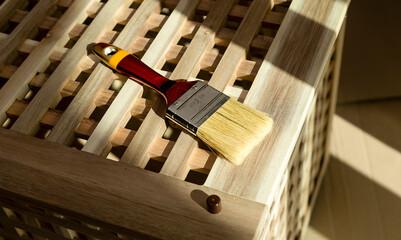
Cabinet refinishing is the process of restoring and updating existing cabinets by repairing imperfections, sanding surfaces, and applying new stains, paints, or protective finishes. Unlike cabinet replacement, which involves removing and installing entirely new cabinetry, refinishing focuses on improving the appearance of the cabinets already in place.
The process can dramatically change the look of a kitchen, bathroom, laundry room, or other areas that feature cabinetry. Depending on the desired outcome, refinishing can involve painting cabinets a new color, applying a fresh stain to enhance natural wood grain, or using specialty finishes to create a modern appearance.
Cabinet refinishing works particularly well when the cabinet structure remains in good condition. Rather than discarding functional cabinets, homeowners can restore them to achieve an updated and refreshed look that complements their current design preferences.
This approach has gained popularity because it offers many of the visual benefits of remodeling while avoiding much of the expense and disruption associated with replacement projects.
Cost Savings Compared to Cabinet Replacement
One of the most significant benefits of cabinet refinishing is its affordability. Kitchen renovations can be expensive, and cabinetry often represents one of the largest portions of the overall budget. Replacing cabinets involves purchasing new materials, removing existing units, and paying for installation, all of which can add considerable costs.
Cabinet refinishing allows homeowners to preserve the existing cabinet framework while updating the appearance. Because the structural components remain intact, the project typically requires fewer materials and less labor than a full replacement.
The savings achieved through refinishing can make it possible to allocate funds toward other upgrades, such as new countertops, lighting fixtures, flooring, or appliances. For homeowners seeking maximum value from their renovation budget, refinishing provides an attractive alternative.
In many cases, refinishing delivers a dramatic visual improvement at a fraction of the cost associated with installing entirely new cabinets.
Enhancing the Appearance of Your Kitchen
The kitchen is often considered the heart of the home, making its appearance especially important. Outdated cabinetry can make an otherwise attractive kitchen feel old or neglected. Cabinet refinishing offers an effective way to modernize the space and create a more inviting atmosphere.
A new finish can completely transform the visual character of a kitchen. Dark cabinets can be refinished in lighter shades to create a brighter environment, while lighter cabinets can be updated with rich tones that add warmth and sophistication.
Refinishing also allows homeowners to align their cabinetry with current design trends without undertaking a major renovation. Whether the goal is a contemporary, traditional, transitional, or farmhouse-inspired aesthetic, refinishing offers a wide range of customization possibilities.
The updated appearance often extends beyond the cabinets themselves. Since cabinetry occupies a significant amount of visual space within a kitchen, refreshing the cabinets can make the entire room feel newer and more cohesive.
Environmentally Friendly Home Improvement
As sustainability becomes an increasingly important consideration in home improvement projects, cabinet refinishing stands out as an environmentally responsible option.
Cabinet replacement typically generates substantial waste. Existing cabinets are removed and often discarded, contributing to landfill accumulation. New cabinets also require raw materials, manufacturing processes, packaging, and transportation, all of which have environmental impacts.
By choosing refinishing, homeowners extend the lifespan of their existing cabinetry and reduce the need for new materials. This approach minimizes waste while conserving resources that would otherwise be required for replacement.
Many refinishing products are also available in low-emission formulations, helping to reduce indoor air quality concerns during the project. For homeowners interested in reducing their environmental footprint, refinishing represents a practical and sustainable choice.
The ability to achieve a fresh, updated appearance while generating less waste makes cabinet refinishing an appealing option for environmentally conscious households.
Faster Project Completion and Less Disruption
Major renovation projects can disrupt daily life for weeks or even months. Cabinet replacement often involves demolition, extensive construction work, and coordination among multiple trades, resulting in prolonged inconvenience.
Cabinet refinishing is generally a much faster process. Because the existing cabinets remain in place, there is no need for demolition or major reconstruction. The work focuses on surface preparation and finishing rather than structural replacement.
This shorter timeline allows homeowners to return to normal routines more quickly. Kitchens and other living spaces typically experience less downtime, reducing the impact on everyday activities.
The reduced disruption is particularly valuable for families who rely heavily on their kitchen and prefer to avoid extended periods without access to essential spaces. Refinishing offers an efficient way to achieve noticeable improvements while minimizing inconvenience.
Preserving High-Quality Cabinet Construction
Many older homes contain cabinets that were built using high-quality materials and craftsmanship. In some cases, these cabinets may be structurally superior to certain modern alternatives.
Cabinet refinishing allows homeowners to preserve these durable constructions while updating their appearance. Rather than replacing solid wood cabinets with newer products, refinishing restores their beauty and extends their useful life.
This preservation of craftsmanship can be especially important for homes with custom cabinetry or distinctive architectural details. Refinishing helps maintain the character of the space while introducing a fresh and updated look.
Retaining quality cabinet construction often results in long-term value because the cabinets continue to provide reliable performance while benefiting from renewed visual appeal.
Increased Home Value and Buyer Appeal
Home improvement projects are often evaluated based on their potential impact on property value. Cabinet refinishing can enhance the attractiveness of a home and improve its appeal to prospective buyers.
Kitchens frequently play a major role in purchasing decisions. Updated cabinetry contributes to a clean, modern appearance that can make a positive impression during showings and open houses.
Buyers often appreciate move-in-ready spaces that require minimal immediate upgrades. Professionally refinished cabinets can create the impression of a well-maintained home and help distinguish a property in a competitive market.
While refinishing may not offer the same level of transformation as a complete kitchen remodel, it often provides an excellent return on investment due to its relatively low cost and strong visual impact.
Customization Options for Every Style
Another major advantage of cabinet refinishing is the wide range of customization opportunities available. Homeowners can choose from numerous colors, stains, finishes, and design approaches to achieve their desired look.
Painted finishes remain a popular choice because they offer virtually unlimited color possibilities. Neutral tones can create a timeless appearance, while bold colors can introduce personality and visual interest.
Stained finishes highlight the natural beauty of wood grain and can range from light and airy tones to rich, dramatic hues. Specialty finishes can add texture, depth, and unique design characteristics.
Additional updates such as new hardware, decorative molding, or modern accessories can further enhance the finished result. These customization options allow homeowners to create cabinetry that reflects their personal style while complementing the overall design of the space.
Long-Term Protection and Durability
Cabinet refinishing is not solely about aesthetics. The process also helps protect cabinet surfaces from everyday wear and tear. Quality finishes create a durable barrier that resists moisture, stains, scratches, and general use.
Proper preparation and professional application techniques contribute to a long-lasting result. Protective coatings help maintain the appearance of the cabinets while reducing the effects of daily exposure to cooking activities, humidity, and cleaning products.
Regular maintenance and proper care can further extend the lifespan of refinished cabinets. With the right finish and upkeep, refinished cabinets can continue looking attractive for many years.
This combination of beauty and protection makes refinishing a practical investment for homeowners seeking both immediate and long-term benefits.
Final Thoughts
Cabinet refinishing offers an effective and affordable way to transform the appearance of a kitchen or other cabinetry-filled space without the expense and disruption of complete replacement. From cost savings and environmental benefits to increased home value and expanded design possibilities, refinishing provides numerous advantages for homeowners looking to update their interiors. By preserving existing cabinet structures while introducing fresh finishes and modern aesthetics, cabinet refinishing delivers impressive results that enhance both functionality and visual appeal. For those seeking a practical renovation solution with lasting impact, cabinet refinishing remains one of the most rewarding home improvement options available.