Why Should You Hire a General Contractor for a Home Remodeling Project?

General Contractor

A home remodeling project often begins with excitement and a long list of ideas. Whether the goal is updating an outdated kitchen, creating a more functional bathroom, finishing a basement, or transforming multiple rooms, homeowners usually focus on the finished result. However, behind every successful renovation is a carefully managed construction process that involves planning, scheduling, budgeting, material coordination, and skilled craftsmanship.

Remodeling an existing home is often more complex than building something new because the work must integrate with the existing structure while minimizing disruption. Understanding the role of General Contractors In Nashville TN helps homeowners appreciate how professional project management contributes to a smoother renovation experience and a higher-quality finished home.

What Does a General Contractor Do During a Home Remodeling Project?

A general contractor serves as the primary coordinator for the entire remodeling project from the planning stage through final completion. Rather than focusing on a single trade, the contractor manages the overall construction process by organizing schedules, coordinating skilled professionals, monitoring progress, and ensuring that each phase is completed in the proper sequence. This oversight allows the project to move efficiently while reducing delays that can occur when multiple trades must work together. A well-organized remodeling project depends on careful coordination at every stage. Professional management helps keep the renovation moving toward completion.

Communication is another essential responsibility throughout the remodeling process. Homeowners often have questions about design changes, material selections, scheduling, or unexpected conditions discovered during construction. A general contractor acts as the central point of communication between everyone involved in the project. This helps ensure that important decisions are made promptly and that information is shared clearly among all participants. Consistent communication reduces misunderstandings while creating a more organized renovation experience.

Why Is Hiring a General Contractor Beneficial?

Home remodeling involves many different tasks that must be completed in a specific order. Structural modifications, electrical work, plumbing, flooring, cabinetry, painting, and finish carpentry all depend on proper timing to avoid unnecessary delays. A general contractor develops an organized schedule that allows each phase to build upon the previous one without creating conflicts between different trades. Careful planning helps improve efficiency while keeping the project moving forward. This structured approach allows homeowners to focus on important design decisions rather than daily construction management.

Hiring a general contractor also provides homeowners with greater peace of mind throughout the renovation. Instead of coordinating multiple specialists independently, homeowners have a single professional overseeing the entire process. Questions, concerns, and project updates are communicated through one central source, simplifying decision making and reducing confusion. This organized approach helps create a more enjoyable remodeling experience from beginning to end. Professional oversight often makes even complex renovations feel more manageable.

How Does a General Contractor Coordinate Remodeling Work?

Every remodeling project requires numerous skilled professionals working together at different stages of construction. Electricians, plumbers, carpenters, flooring installers, painters, tile specialists, and other trades all contribute their expertise to the finished project. Their work must be carefully scheduled so each trade has appropriate access to the work area without interfering with others. A general contractor coordinates these schedules while monitoring overall project progress. Proper organization supports both efficiency and quality throughout construction.

Material coordination is equally important during remodeling. Cabinets, flooring, fixtures, lighting, doors, windows, and finish materials often arrive from different suppliers according to separate delivery schedules. Delays involving one material can affect several other stages of construction if not managed carefully. A general contractor monitors these timelines while adjusting schedules when necessary to maintain steady progress. Effective coordination helps reduce interruptions while supporting a smoother renovation process.

How Does a General Contractor Help Maintain Quality?

Quality control remains one of the most valuable aspects of professional project management. Remodeling work must integrate seamlessly with the existing home while maintaining structural integrity and visual consistency. A general contractor monitors construction throughout each stage to help ensure workmanship meets the project requirements. Careful attention to detail allows potential issues to be identified before they affect later phases of construction. Addressing concerns early contributes to better overall results.

Maintaining quality also involves ensuring that different building systems function together properly. Structural framing, plumbing, electrical systems, insulation, drywall, flooring, and finish materials all rely on accurate installation to achieve lasting performance. A general contractor evaluates how these components interact throughout the renovation rather than viewing each task independently. This comprehensive oversight supports both safety and long-term durability. Consistent quality management protects the homeowner’s investment while contributing to a finished space that performs as intended.

What Should Homeowners Look for When Choosing a General Contractor?

Selecting the right general contractor begins with evaluating experience in home remodeling rather than focusing only on new construction. Renovating an existing home often presents unique challenges because hidden conditions may be discovered after walls, ceilings, or flooring are opened. Contractors experienced in remodeling understand how to adapt construction plans while preserving the home’s structural integrity and design goals. Their familiarity with renovation work helps reduce uncertainty throughout the project. Experience often contributes to smoother decision making when unexpected situations arise.

Homeowners should also consider communication style and project organization when selecting a contractor. Remodeling projects often require ongoing discussions regarding materials, scheduling, and design adjustments as work progresses. A contractor who communicates clearly and provides regular updates helps create confidence throughout the renovation. Homeowners benefit from understanding what has been completed, what comes next, and how the overall project is progressing. Strong communication strengthens collaboration while supporting a positive working relationship.

How Can a General Contractor Help Control Time and Budget?

Successful remodeling projects rely on realistic planning from the beginning. A general contractor develops a construction schedule that organizes labor, material deliveries, and project milestones in an efficient sequence. This planning reduces unnecessary downtime while helping ensure skilled trades can complete their work without interruption. Organized scheduling often contributes to shorter overall project timelines because each phase is completed when the site is ready. Efficient coordination benefits both homeowners and construction professionals.

Budget management also becomes more effective through careful planning and oversight. Remodeling projects involve numerous purchasing decisions for building materials, finishes, fixtures, and specialty products. A general contractor monitors project progress while helping homeowners make informed decisions as the renovation moves forward. Early identification of potential challenges often reduces the likelihood of costly delays or unnecessary changes later. Careful management supports better financial planning throughout the remodeling process.

What Types of Remodeling Projects Benefit Most From a General Contractor?

Large remodeling projects often involve multiple rooms or significant structural modifications that require careful coordination. Kitchen renovations, bathroom remodels, home additions, basement finishing, whole-home renovations, and open floor plan conversions all involve numerous building systems working together. These complex projects benefit from professional oversight because many different trades must complete their work in the correct order. Coordinated management helps maintain quality while minimizing disruption throughout construction. Organized planning supports successful project completion.

Even smaller remodeling projects may benefit from working with a general contractor when multiple construction activities occur simultaneously. Updating flooring while replacing cabinetry, modifying lighting, relocating plumbing fixtures, or improving structural elements requires thoughtful coordination to avoid unnecessary delays. A general contractor helps integrate these different tasks into one organized renovation plan. This comprehensive approach creates a smoother experience while improving the overall quality of the finished project. Professional management remains valuable regardless of project size.

Final Thoughts

A general contractor plays an essential role in transforming remodeling ideas into successful home improvements through careful planning, project coordination, quality oversight, and clear communication. From organizing skilled trades and managing schedules to maintaining workmanship and helping homeowners navigate important decisions, professional project management supports every stage of the renovation process. Whether updating a single room or completing a whole-home remodel, working with an experienced general contractor helps simplify construction while improving efficiency and long-term results. By understanding the value of organized project management, homeowners can approach remodeling with greater confidence and enjoy a finished home that reflects both quality craftsmanship and their personal vision.
Custom Metal Gates: Combining Security, Durability, and Timeless Style

Custom Metal Gates

Imagine arriving at a property and being greeted by a beautifully crafted gate that immediately captures attention while providing a strong sense of security. A custom metal gate does more than define an entrance. It creates a lasting first impression, enhances curb appeal, and serves as a protective barrier for residential, commercial, and industrial properties.

As architectural trends continue to evolve, custom metal gates remain a popular choice because they offer the perfect balance of functionality and visual appeal. Whether designed with intricate decorative details or clean modern lines, custom metal gates provide a unique solution tailored to the specific needs and style of a property. Go to https://www.83metalcraftboise.com/ for more details.

What Are Custom Metal Gates?

Custom metal gates are specially designed entry systems fabricated to meet the exact specifications of a property owner or designer. Unlike prefabricated gates that come in standard sizes and styles, custom gates are created to fit specific dimensions, architectural themes, and functional requirements.

These gates can be manufactured from various metals, including steel, wrought iron, aluminum, and stainless steel. Each material offers distinct benefits in terms of appearance, strength, maintenance, and longevity. The customization process allows property owners to choose everything from decorative patterns and finishes to automation features and security enhancements.

Custom metal gates can be installed at driveways, pedestrian entrances, garden pathways, courtyards, and commercial access points. Their versatility makes them suitable for a wide range of applications while providing a unique design statement that reflects personal preferences and property aesthetics.

The Benefits of Installing Custom Metal Gates

One of the primary reasons property owners invest in custom metal gates is the enhanced security they provide. A well-constructed metal gate creates a physical barrier that helps control access and deter unauthorized entry. This added level of protection can provide peace of mind while safeguarding people, vehicles, and valuable assets.

Durability is another significant advantage. Metal gates are designed to withstand daily use and exposure to environmental conditions. When fabricated with quality materials and proper finishing techniques, custom metal gates can maintain their appearance and structural integrity for many years.

Aesthetic appeal is equally important. Custom metal gates can be tailored to complement virtually any architectural style. Whether the goal is a traditional appearance with ornamental details or a contemporary design featuring sleek geometric lines, customization allows for complete creative flexibility.

Property value may also benefit from the addition of a custom gate. Attractive and functional entry features often contribute to a property’s overall appeal, making it more desirable to potential buyers and visitors.

Another benefit is versatility. Custom gates can be designed for manual operation or integrated with automated systems that provide convenient remote access and advanced security features.

Popular Materials Used for Custom Metal Gates

The choice of material plays a major role in determining the appearance, durability, and maintenance requirements of a custom metal gate. Several metals are commonly used due to their proven performance and design versatility.

Steel is one of the most popular choices because of its exceptional strength and durability. Steel gates can be fabricated into a wide variety of styles and are often finished with protective coatings to resist corrosion and weather-related damage.

Wrought iron is known for its timeless elegance and decorative potential. This material is frequently used for ornamental gates featuring intricate scrollwork, artistic patterns, and traditional craftsmanship. Wrought iron creates a sophisticated appearance that enhances many architectural styles.

Aluminum offers a lightweight alternative that is naturally resistant to corrosion. Because it is easier to handle and maintain, aluminum is often selected for properties seeking long-term durability with minimal upkeep.

Stainless steel is valued for its modern appearance and excellent resistance to rust and staining. It is commonly used in contemporary designs where clean lines and sleek finishes are desired.

The ideal material depends on factors such as design preferences, security requirements, environmental exposure, and maintenance expectations.

Design Options for Custom Metal Gates

One of the most appealing aspects of custom metal gates is the virtually unlimited range of design possibilities. Every detail can be tailored to create a gate that reflects the character of the property and the preferences of the owner.

Traditional designs often feature decorative scrollwork, ornamental accents, and classic craftsmanship. These gates create an elegant appearance that complements historic and formal architectural styles.

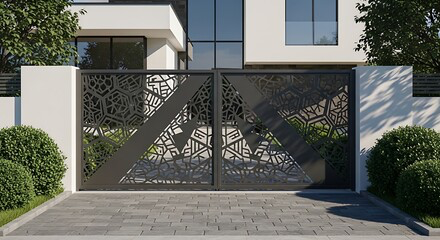
Modern designs typically emphasize simplicity, symmetry, and clean lines. Minimalist gate styles often incorporate geometric shapes, horizontal panels, and sleek finishes that align with contemporary aesthetics.

Custom metal gates can also incorporate unique artistic elements, including personalized monograms, custom patterns, decorative cutouts, and themed motifs. These details allow property owners to create a truly distinctive entrance.

Color and finish options further expand design flexibility. Powder coating, painting, and specialized finishes can enhance durability while achieving the desired visual effect. Matte, glossy, textured, and metallic finishes are all popular choices depending on the overall design vision.

Lighting integration has become increasingly common as well. Built-in lighting elements can improve visibility, increase security, and create a striking visual effect during evening hours.

The Fabrication Process Behind Custom Metal Gates

Creating a custom metal gate requires a combination of design expertise, skilled craftsmanship, and advanced fabrication techniques. The process begins with a consultation to understand the client’s goals, property requirements, and design preferences.

Detailed measurements are taken to ensure the gate fits precisely within the intended opening. Designers then develop drawings or digital models that illustrate the gate’s appearance, dimensions, and structural features.

Once the design is approved, fabrication begins. Metal components are cut, shaped, welded, and assembled according to the project specifications. Modern fabrication facilities often utilize precision equipment that ensures accuracy and consistency throughout the production process.

After assembly, the gate undergoes finishing treatments that may include sanding, polishing, powder coating, painting, or protective sealing. These finishes enhance both appearance and durability.

Quality inspections are performed before installation to verify structural integrity and design accuracy. The completed gate is then transported to the site, where professional installers secure it in place and ensure proper operation.

Automation and Security Features

Modern custom metal gates frequently incorporate advanced technology that enhances both convenience and security. Automated gate systems allow users to open and close gates remotely using keypads, remote controls, mobile applications, or access cards.

Security features can include surveillance camera integration, intercom systems, motion sensors, and controlled access technologies. These additions help property owners monitor activity and manage entry permissions more effectively.

Automatic closing mechanisms ensure that gates return to a secure position after use. Safety sensors can detect obstacles and prevent accidental contact during operation.

For commercial and high-security applications, custom metal gates may be designed with reinforced construction, anti-climb features, and specialized locking systems that provide additional protection.

The combination of physical strength and modern technology makes custom metal gates a highly effective solution for controlling access while maintaining an attractive appearance.

Maintaining a Custom Metal Gate

Although custom metal gates are built for durability, routine maintenance helps preserve their appearance and functionality. Regular inspections can identify minor issues before they become significant problems.

Cleaning the gate periodically removes dirt, debris, and environmental contaminants that may affect the finish over time. The cleaning method should be appropriate for the specific material and coating used.

Moving components such as hinges, rollers, and latches should be lubricated as recommended to ensure smooth operation. Automated systems may require occasional servicing to maintain optimal performance.

Protective coatings should be inspected for signs of wear or damage. Touch-up treatments can help prevent corrosion and extend the lifespan of the gate.

With proper care, a custom metal gate can continue providing security, beauty, and reliable performance for many years.

Choosing the Right Custom Metal Gate for Your Property

Selecting the ideal custom metal gate involves balancing design preferences with practical considerations. Property owners should evaluate factors such as security needs, architectural style, available space, and desired level of automation.

Working with experienced designers and fabricators helps ensure that the finished gate meets both aesthetic and functional objectives. Professional guidance can also assist with material selection, design development, and long-term maintenance planning.

A thoughtfully designed custom gate serves as more than an entry point. It becomes an integral part of the property’s overall identity and contributes to its value, safety, and visual appeal.

Final Thoughts

Custom metal gates offer an exceptional combination of security, durability, and architectural beauty. Their ability to be tailored to specific designs, dimensions, and functional requirements makes them a versatile choice for a wide range of properties. From classic ornamental entrances to sleek modern access systems, custom metal gates create lasting impressions while providing reliable protection. By investing in quality materials, expert craftsmanship, and thoughtful design, property owners can enjoy a gate that enhances both the appearance and performance of their property for years to come.